Steinberg celebrates 30 years of VST with five classic plugins offered for free
Tech & production 7 h agoAdd to bookmarks
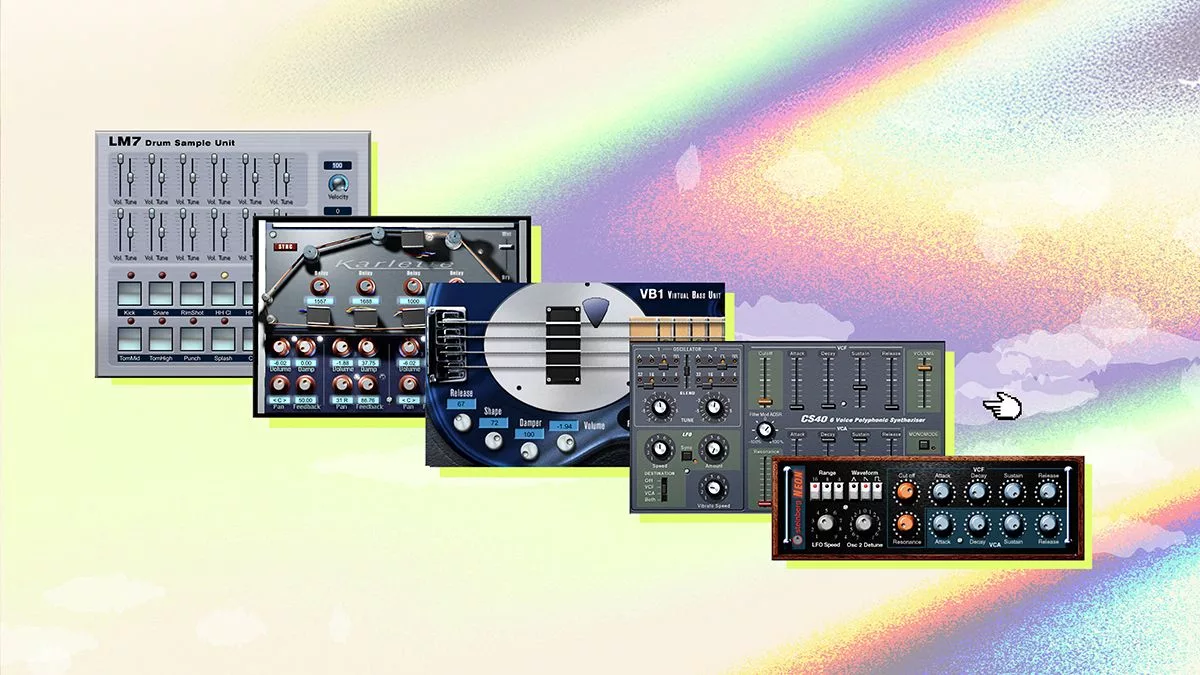
The Classics Collection re-releases the very first VST synth (1999), the LM7 drum machine, and three other archived tools. Free, historic—and the LM7 is well worth checking out for jungle and liquid producers.
Why this is a moment
The VST standard was born in 1996 in Steinberg's offices in Hamburg—it made the idea of replacing hardware with software in a DAW possible. Thirty years later, the publisher releases a collection of five instruments from its own archive, the ones that proved the concept worked. Free. No DRM. VST3 compatible.
What the Classics Collection contains
Neon: the first commercially released VST synth, in 1999. Two oscillators, minimalist interface. The sound is dated in the right way—thin, slightly sharp, with that digital grain of early software synths. Useful for retro leads.
VB-1: virtual bass with physical modeling. Simulated string engine, dynamic response that modern plugins struggle to reproduce exactly. Not the most precise virtual bassist, but it has character.
CS-40: polyphonic synth from the 2000s, classic architecture with exposed ADSR envelopes. Good for pads, textures that don’t try to mimic analog.
LM7: sample-based drum machine. Most interesting in a drum & bass or jungle context—the sound of the kits captures the 12-bit grain of early samplers, so the breaks sound like breaks and not like overly clean MIDI drums. Not meant to replace Kontakt or an SP-404, but to add a layer of vintage texture to a beat.
Karlette: tape delay. Magnetic tape modeling, soft saturation, flutter. Useful in mixdown to add substance to an overly digital signal—on a reese, a pad, a break.
Who it’s for, concretely
Jungle/liquid producers with 90s–early 2000s aesthetics: the LM7 and Karlette are genuinely useful. The LM7 for its vintage drum kits, Karlette for the analog space it simulates. Neon can work on old-school neurofunk leads if you want to avoid modern synths overloaded with harmonics.
Everyone else: it’s mostly useful sound archaeology—understanding where the sound of early DAWs came from, and having a few extra colors in your palette without spending a dime.
How to get them
The Classics Collection is available for free via Steinberg’s content manager. No subscription required. Compatibility: Cubase, Nuendo, and any DAW supporting the VST3 format.


